
What ADR Means
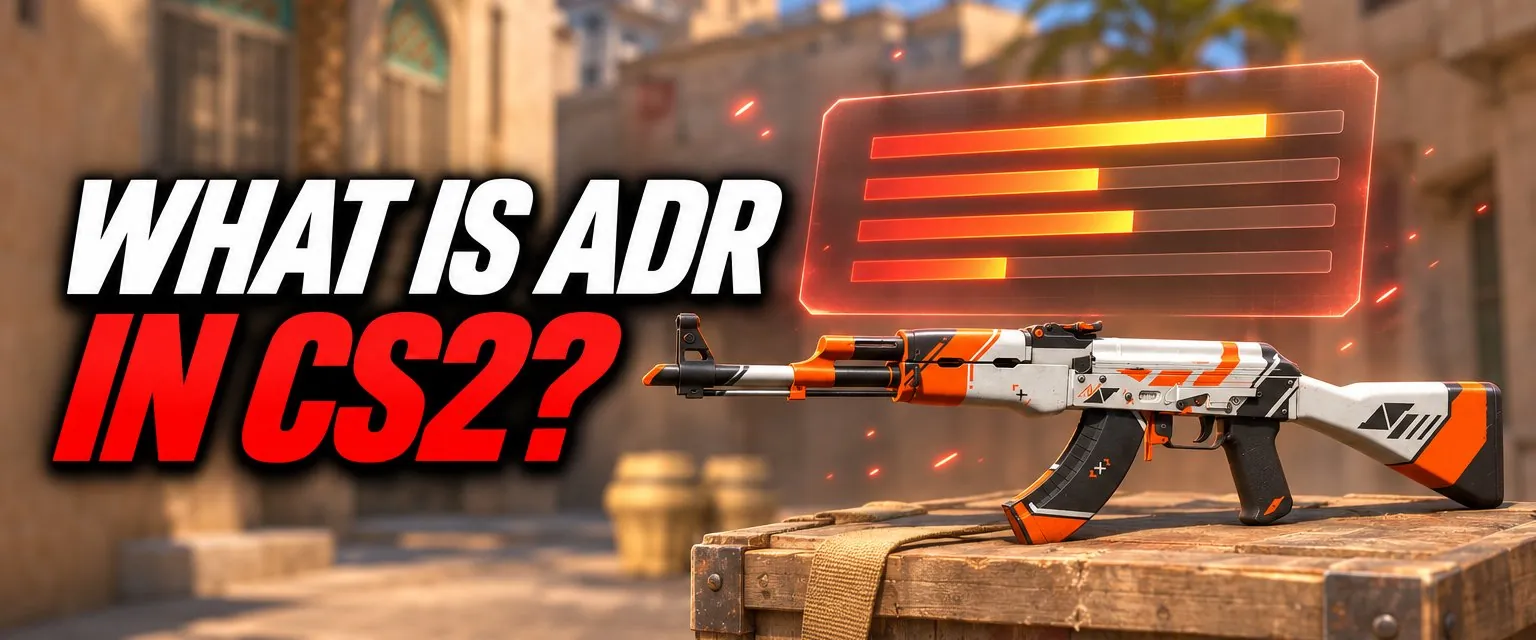
ADR stands for Average Damage per Round. It tells you how much damage you dealt to the enemy team per round, on average, across a match. Kills only count the last bullet; ADR counts every hit, so it rewards the player who softens up three enemies for a teammate to finish.
How ADR Is Calculated
A player has 100 HP, so dealing 100 damage every round would be an ADR of 100. Very few players sustain that over a match.
What Counts as Damage
| Damage | Counts toward ADR? |
|---|---|
| Bullets, including wallbangs and through smoke | Yes |
| HE grenades, molotovs and incendiaries | Yes |
| Damage beyond the enemy's remaining HP | No: capped at what they had left |
| Damage to teammates | No |
The cap matters: a hit worth 120 damage counts 100 on a full-HP player, and only 30 on a player with 30 HP left.
Where to See Your ADR
- In-game scoreboard. CS2's scoreboard has an ADR column, next to total damage (DMG), utility damage (UD), enemies flashed (EF) and headshot percentage.
- Match history tools. The SteamAnalyst CS2 stats tracker shows ADR alongside K/D, headshot % and per-map stats. FACEIT shows ADR in its match history too.
Do not confuse ADR with your in-game score. Since October 2024, score in Casual, Competitive and Wingman no longer counts knife and utility damage, while ADR still counts all damage.
What Is a Good ADR?
There is no official scale. These are rough bands that match what you see in public stats:
| ADR | What it usually means |
|---|---|
| Under 60 | Getting few hits in, or dying early |
| 60 to 75 | Average for matchmaking |
| 75 to 90 | Good: a reliable fragger in most lobbies, typical of high FACEIT levels |
| 90+ | Star level, including among the best pros |
Role matters. An entry fragger who takes the first duel every round will usually have a higher ADR than a support player throwing flashes or a lurker who plays for late-round picks. Compare yourself with players in the same role and rank, not with the scoreboard as a whole.
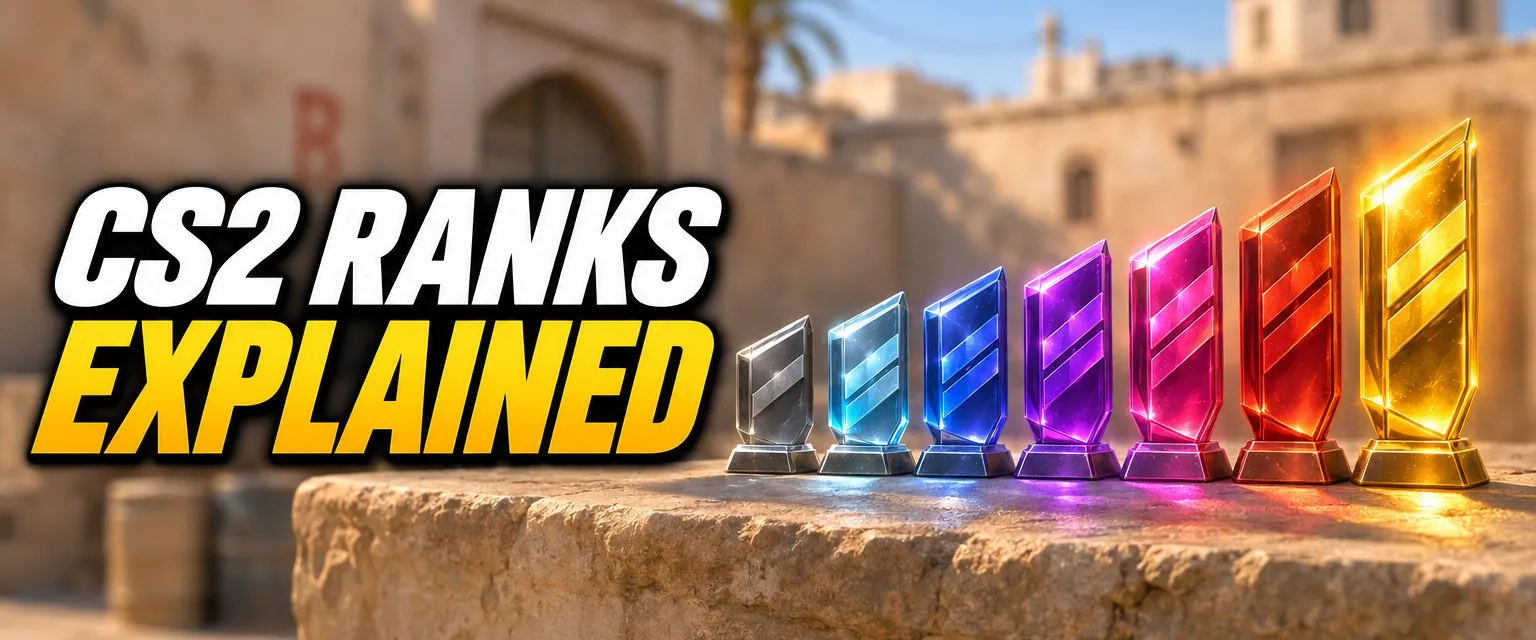
New to ranks? Our CS2 ranks guide explains the skill groups and CS Rating, and the FACEIT guide covers levels 1 to 10.
ADR vs K/D
K/D only counts kills and deaths, so it can hide a lot: a player who deals 80 damage and lets a teammate take the kill gets nothing for it in K/D. ADR captures that work. Damage is also one of the six components of HLTV's Rating 3.0, introduced in August 2025 alongside kills, survival, KAST, multi-kills and round swing. Neither stat tells the whole story, but a high ADR with an average K/D usually means you are close to converting more of your fights.
How to Raise Your ADR
- Use your grenades. An HE on a stacked site or a molotov on a planted bomb is free damage. It counts in ADR and in the UD column.
- Aim for the head first. Headshots deal far more damage, so the same number of hits adds up faster. Our shooting and movement guide covers crosshair placement and counter-strafing.
- Trade your teammates. Staying close enough to refrag means you fight damaged enemies, often with them looking the other way.
- Don't save every round. Saving keeps your money but deals no damage. Pick your saves.
- Get a crosshair you can see. Copy a pro setup from our crosshair guide.
Frequently Asked Questions
What does ADR mean in CS2?
ADR stands for Average Damage per Round: the total damage you dealt to enemies in a match, divided by the number of rounds played.
What is a good ADR in CS2?
Around 80 is good in most matchmaking lobbies, and 90 or more is star level even among pros. Below about 65 usually means you are not getting into fights often enough or not finishing them.
Does utility damage count toward ADR?
Yes. HE grenade and molotov or incendiary damage count, as do wallbangs and shots through smoke. The CS2 scoreboard also shows utility damage separately in its UD column.
Does overkill damage count in ADR?
No. Damage only counts up to the health the enemy had left. A hit that would have done 120 damage to a player on 30 HP adds 30.
Does team damage count?
No. Damage to teammates is not counted in ADR.
Where can I see my ADR in CS2?
In the CS2 scoreboard, which has an ADR column, and in your match history on tools like the SteamAnalyst CS2 stats tracker and FACEIT.