

CS2 Case Liquidity — Which Cases Actually Sell Fast
Price tells you what a skin is worth. This tells you whether you can get it. Every rating below comes from units actually traded over the last 30 days — not from price, rarity or popularity.
| # | Item | Rating | Trades / dayPer day | Listings | Spread | Price | Sell |
|---|---|---|---|---|---|---|---|
| 1 |  CS:GO Weapon Case CS:GO Weapon Case | Slow Mover30 days of listings ahead of you | 1424/day counted · CSFloat | 393 | 6.2% | $112 | |
| 2 | 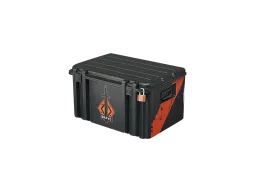 Operation Bravo Case Operation Bravo Case | Slow Mover25 days of listings ahead of you | 5.715/day counted · CSFloat | 181 | 0.0% | $59 | |
| 3 |  CS:GO Weapon Case 3 CS:GO Weapon Case 3 | Slow Mover55 days of listings ahead of you | 3719/day counted · CSFloat | 318 | 9.1% | $14 |
How the rating is built
Three measurements decide it, and each one alone would mislead. Trade flow — units sold per day — sets the rating. Listing queue and spread can only pull it down, never lift it, because an item is never more liquid than its trade count supports.
The bias is deliberately toward caution. Days we did not observe count as zero trades. The queue is measured against the venue's own trades rather than every market pooled, because a queue only clears through the order book it sits in. And an item we have too little data on is left off this page rather than rated poorly — not knowing whether something sells is not the same as knowing it does not. See our methodology for where the underlying prices and volumes come from.
What each liquidity rating means
Ratings measure demand — units traded per day, against thresholds refitted to the live distribution, so the top band is rare on purpose. How long your listing waits also depends on the queue ahead of it, which the listings column counts. Roughly, in units sold per day:
The last one is not a rung on that ladder. At these prices a thin book is usually scarcity rather than indifference — a retired sticker or a rare pattern trades twice a year because almost none exist, not because nobody wants one — and Rarely Traded would tell its owner to cut the price, which is the one thing that does not apply. The rating still measures turnover; this only changes what a low turnover is taken to mean.
Frequently Asked Questions
What does liquidity mean for a CS2 skin?
How quickly you can sell it without cutting the price. It is a property of trade flow, not of price — an expensive skin is not automatically hard to sell, and a cheap one is not automatically easy. A knife worth thousands can change hands daily while a $3 skin sits for weeks.
How is this measured?
Units actually traded over the last 30 days, across the marketplaces we track plus the Steam Market. Those are separate order books, so their trade counts add. Three numbers decide the rating: daily trade flow, the listing queue ahead of you at the venue, and the gap between the best buy and sell price.
Why does a heavily traded skin sometimes rate lower?
Because flow alone can flatter an item. A skin trading 20 times a day with 600 listings ahead of yours is not a quick sale, and one with a 40% gap between buy and sell price is only liquid if you accept the lower number. A long queue or a wide spread pulls the rating down; nothing pulls it up. An item is never rated more liquid than its trade count supports.
Why is my skin missing from this page?
Either we have not recorded enough trading days for it — the floor is 10 days inside the 30-day window — or its trade data has not updated in over 7 days. Both cases mean we cannot tell how liquid it is, which is different from knowing it is illiquid, so it is left out rather than rated badly.
What does the listings column mean?
How many of the item are for sale at the reference venue right now — the queue your own listing joins the back of. We measure how long that queue would take to clear against that venue's own trades, because a queue only clears through the order book it sits in, and a queue longer than 14 days lowers the rating a band.
Does a high rating guarantee a fast sale?
No. It says the market has been absorbing that volume recently at the prices shown. Demand shifts, and your own listing price still decides whether you are at the front of the queue or the back. Treat it as a read on the market, not a promise about your sale.